ABOUT BLOOMERA
Psychology for the becoming
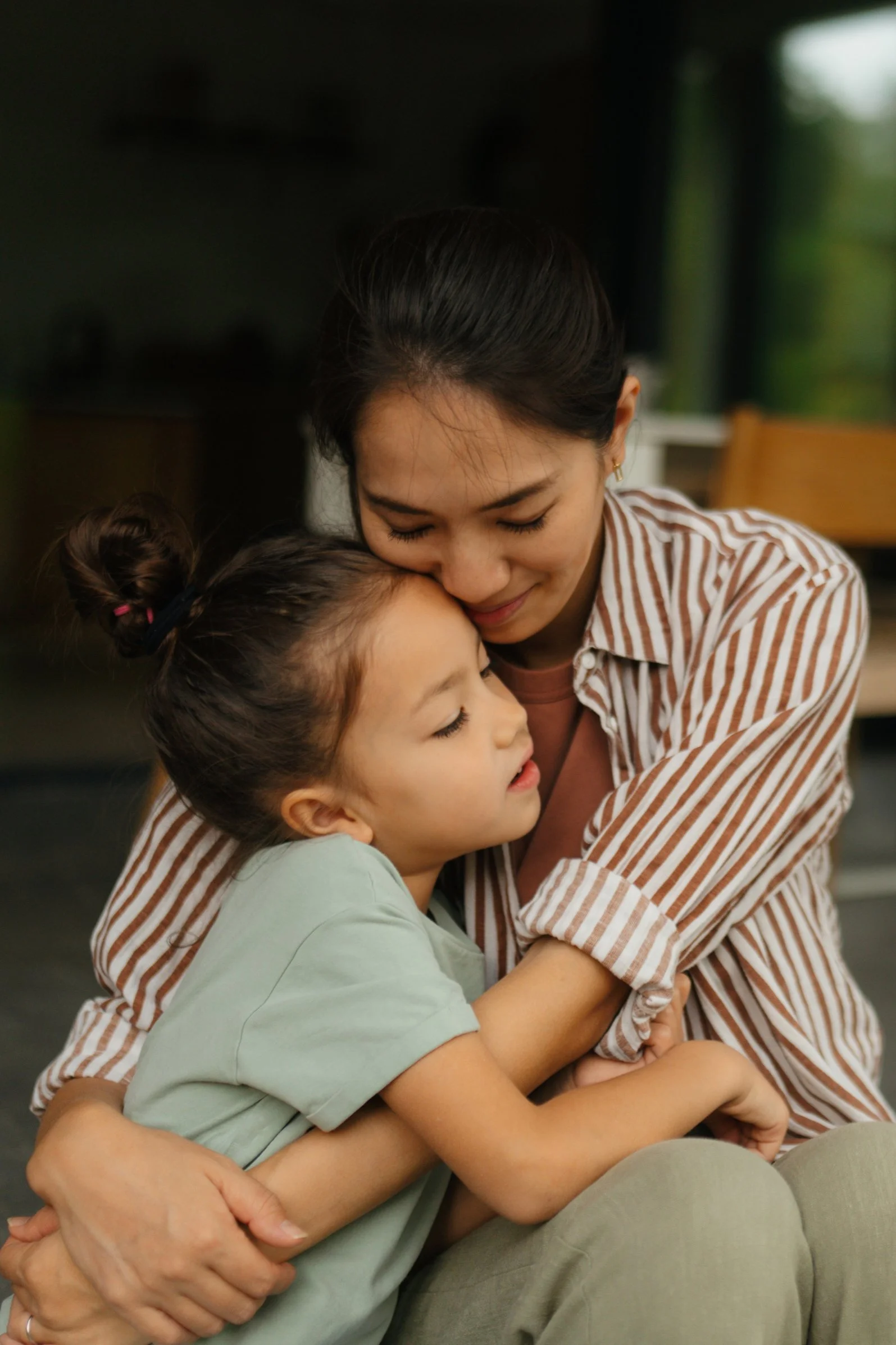
Bloomera was created to support women through one of the most psychologically significant transitions of life: fertility, pregnancy, birth, early motherhood and the identity shifts that can come with becoming.
This stage is often spoken about in practical or medical terms, appointments, scans, sleep, feeding, routines, milestones. These things matter. But they are not the whole story.
There is also the inner experience.
The quiet hopes.
The uncertainty.
The grief.
The anxiety.
The pressure to be grateful.
The sense of losing or meeting new parts of yourself.
The exhaustion of being needed.
The overwhelm of holding so much.
The possibility that old coping systems no longer work the way they once did.
Bloomera exists because women deserve psychological care that can hold the whole picture without judgement.
Care that is warm, thoughtful and clinically grounded.
Care that understands both strength and struggle.
Care that respects complexity without making women feel broken or wrong.
Care that recognises fertility, pregnancy and motherhood as psychological transitions, not just reproductive events.


WHY BLOMMERA EXISTS
For the layered, complex, and often lonely emotional transitions
Bloomera exists because fertility, pregnancy and early motherhood are often psychologically under-supported.
Women may be surrounded by appointments, advice, opinions and practical information, yet still feel emotionally alone in the experience.
Some women are trying to conceive and quietly carrying uncertainty, grief or disappointment.
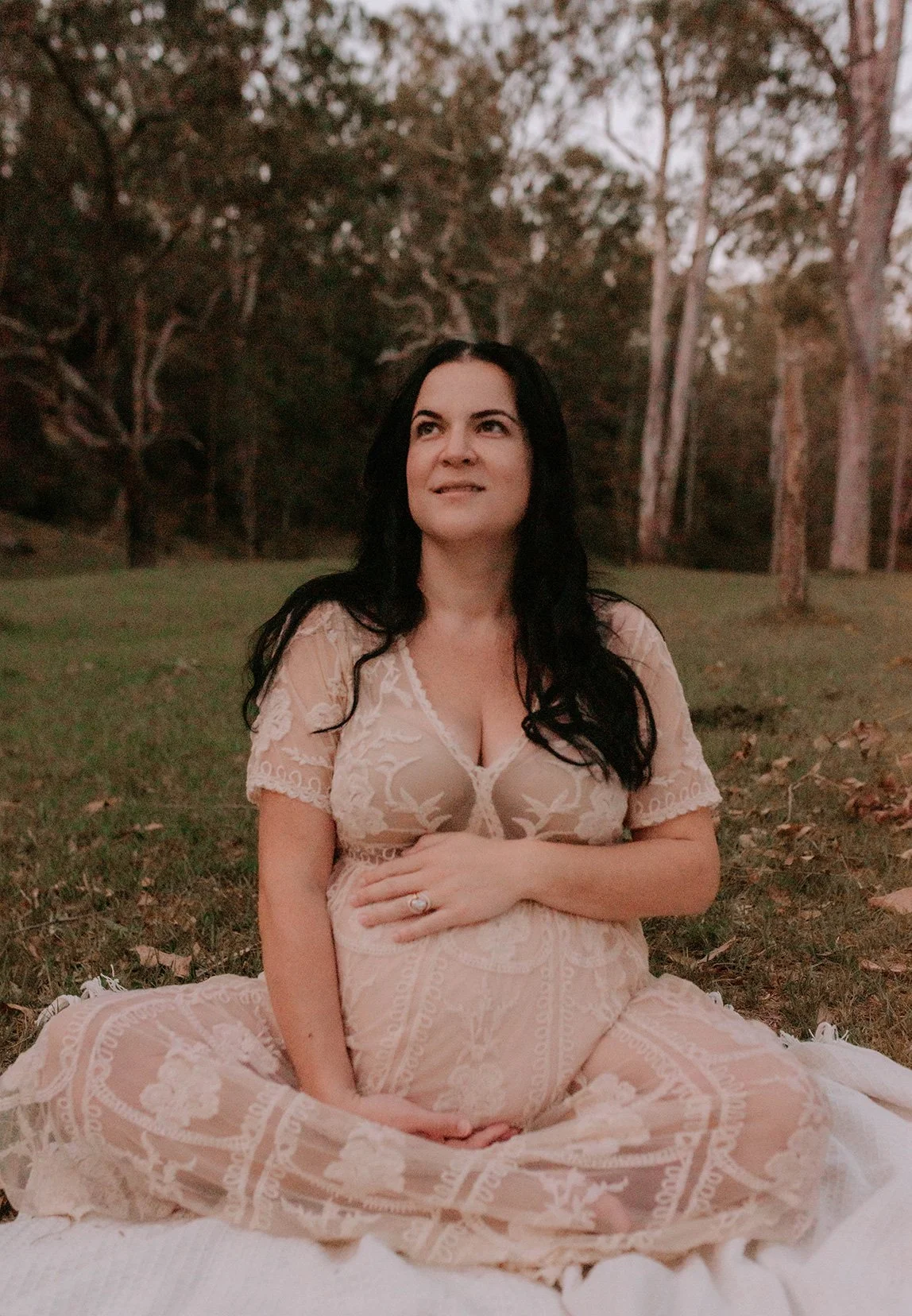
Some are pregnant and surprised by how anxious, vulnerable or disconnected they feel.
Some are recovering from a birth that felt frightening, overwhelming or nothing like what they expected.
Some are in early motherhood, loving their child, or questioning when they will feel the deep love everyone talks about, and still feeling depleted, touched-out, resentful, guilty, overstimulated or changed in ways they cannot easily explain.
Some are beginning to wonder whether they may be ADHD, autistic or otherwise neurodivergent, because the demands of motherhood have made previous coping strategies harder to sustain.
Bloomera was created for these layered experiences.
Not to pathologise women.
Not to tell women how they should feel.
Not to offer generic reassurance when something more thoughtful is needed.
But to provide psychological support that can sit with nuance, help make sense of what is happening, and support women to understand themselves with greater compassion, clarity and care.
HOW WE WORK
Warm, relational psychological care that respects both the person and the context around them
I am interested in what is happening beneath the surface, but also in what is happening around you — your relationships, roles, routines, work, family system, sensory load, sleep, identity, values and capacity.
Therapy may include space to process emotion, understand patterns, explore identity change, strengthen coping, consider boundaries, make sense of grief, support adjustment, or develop more compassionate and practical ways of navigating this stage of life.
For neurodivergent women, this may also include exploring masking, burnout, sensory overwhelm, executive functioning strain, emotional intensity, perfectionism, shame and the impact of constant demand.
I do not see therapy as a place where women need to perform insight or present the polished version of themselves.
You can come as you are — clear or confused, coping or not coping, articulate or exhausted, certain or unsure.
The work is collaborative and paced according to your circumstances. Therapy does not guarantee a particular outcome, and it may not be the right fit for every person or every clinical presentation. Where another service, medical support, psychiatric care, crisis support or multidisciplinary input is more appropriate, this will be discussed respectfully.
WHAT WE BELIEVE
A space for the complex dualities of the human experience
I believe that women can be grateful and grieving.
They can love their baby, questioning whether they love their baby or feel like running away.
Can be managing the care of their family or child and still feel overwhelmed.
They can look capable and still be struggling.
They can want motherhood deeply and still find the experience confronting.
They can be high-functioning and still be running on empty.
They can be neurodivergent without needing to be reduced to deficits or romanticised as having a “superpower”.
They can need support without being broken.
I believe fertility, pregnancy and early motherhood deserve psychological care that is more nuanced than generic coping tips.
I believe women should not have to minimise their distress because “others have it worse”, or exaggerate it to be taken seriously.
I believe lived experience can deepen empathy, but ethical clinical care requires more than empathy alone.
And I believe the becoming matters — not because there is one correct version of motherhood, but because this transition can ask a woman to meet herself in entirely new ways.

What Bloomera is not
Bloomera is not a crisis service.
It is not a replacement for emergency care, medical advice, psychiatric care, obstetric care, fertility specialist advice, child health services, or multidisciplinary support where needed.
It is not a place where motherhood is romanticised or reduced to inspirational language.
It is not a service that promises transformation, symptom resolution, better bonding, improved fertility outcomes, birth recovery or a guaranteed sense of self.
It is not a space where lived experience is treated as a substitute for clinical training.
And it is not a space where women are expected to perform gratitude, certainty or coping.
Bloomera is a psychology practice for thoughtful, clinically grounded support through fertility, pregnancy, early motherhood, neurodivergence and the emotional complexity of becoming.